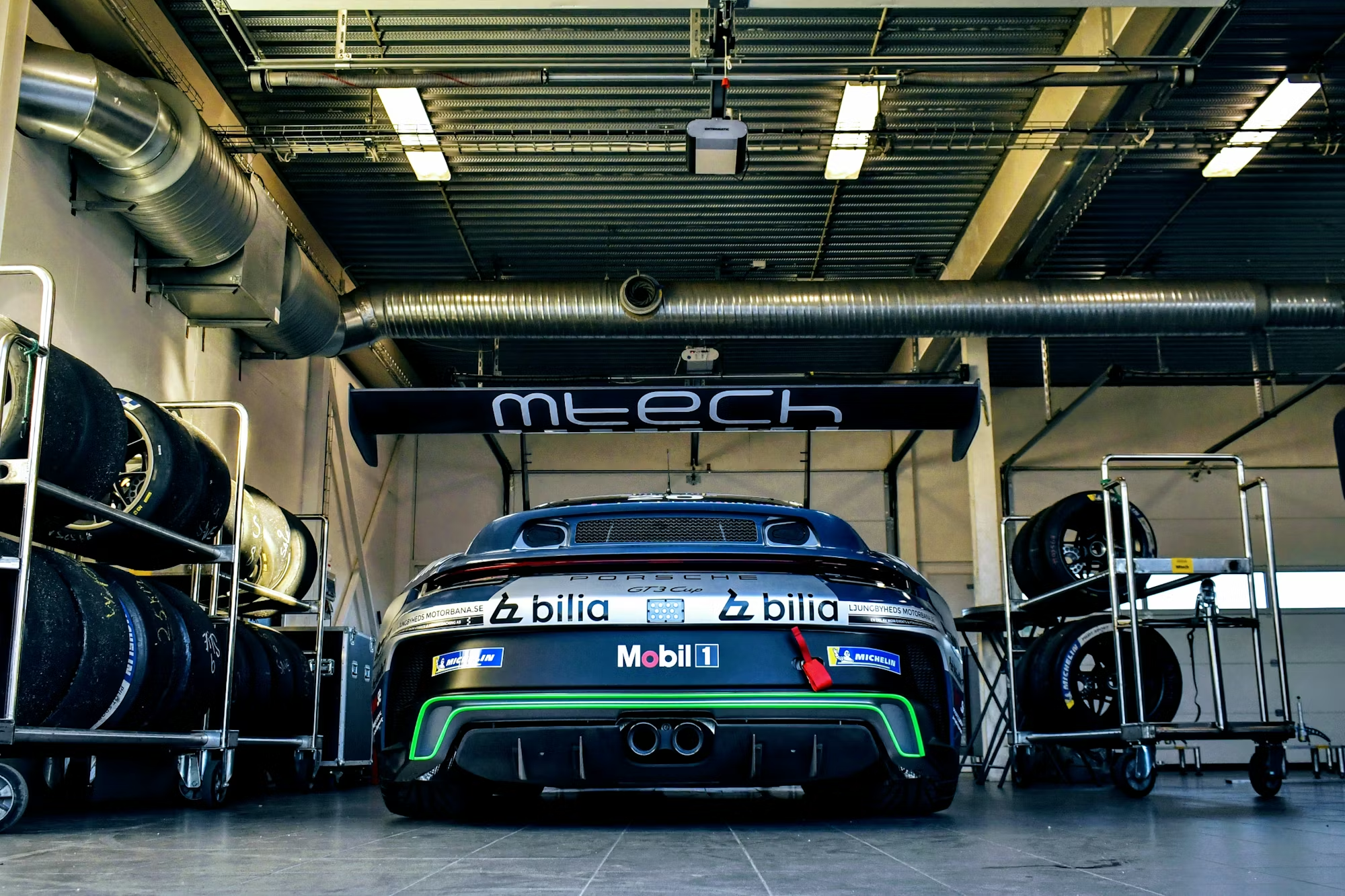
Supercars have always held a special place in the hearts of automotive enthusiasts, representing the ultimate blend of performance, design, and cutting-edge technology. These extraordinary machines are more than just vehicles; they are symbols of human ingenuity and passion for speed. The allure of supercars transcends mere specifications; it encompasses the artistry involved in their design, the engineering excellence that powers them, and the innovative technologies that continue to push the boundaries of what is possible on the road.
The journey of supercars began in the mid-20th century, a time when manufacturers started to explore the limits of automotive performance. Iconic models such as the Ferrari 250 GTO and Lamborghini Miura laid the groundwork for what we now recognize as supercars. These cars not only showcased powerful engines but also introduced striking designs that turned heads and captivated audiences. The Miura, with its mid-engine layout and sleek lines, is often credited with establishing the format for future supercars, proving that performance and aesthetics could coexist.
As the automotive industry evolved, so did the technologies that powered these remarkable machines. The introduction of turbocharging and fuel injection in the late 20th century allowed manufacturers to extract more horsepower from smaller engines, resulting in lighter, faster cars. The Porsche 959, launched in the 1980s, epitomized this innovation. With its advanced all-wheel-drive system and a powerful twin-turbo flat-six engine, it not only achieved exceptional performance but also laid the groundwork for future supercars in terms of engineering and design.
Entering the 1990s, the hypercar segment emerged, driven by a relentless pursuit of speed and performance. The McLaren F1, with its lightweight carbon fiber construction and a naturally aspirated V12 engine, redefined the concept of a supercar, achieving a record top speed that stood unmatched for years. Meanwhile, Bugatti introduced the EB110, which married luxury with extreme performance, appealing to a new generation of supercar enthusiasts. The 1990s proved to be a transformative decade, showcasing the potential of combining engineering excellence with bold design.
The dawn of the 21st century brought about unprecedented advancements in automotive technology. Hypercars like the Koenigsegg CCX and Bugatti Veyron demonstrated the capabilities of modern engineering. The Veyron, with its 8.0-liter quad-turbocharged W16 engine producing over 1,000 horsepower, became a symbol of excess and engineering prowess. Achieving speeds exceeding 250 mph, the Veyron pushed the limits of what was possible, while also emphasizing the importance of luxury and refinement in the supercar experience.
Today’s supercars continue to evolve, incorporating hybrid technology that enhances both performance and sustainability. The Ferrari LaFerrari and Porsche 918 Spyder exemplify this trend, combining traditional combustion engines with electric motors to deliver thrilling acceleration while improving fuel efficiency. This hybrid approach allows manufacturers to meet stricter emissions regulations without compromising on the exhilarating performance that supercar enthusiasts crave. The LaFerrari, for instance, boasts a combined output of 950 horsepower, making it one of the most powerful hybrids on the market, while also showcasing Ferrari’s commitment to innovation.
Electric powertrains are also making significant inroads in the supercar realm. The Rimac C_Two and Lotus Evija are prime examples of how electric vehicles can deliver exceptional performance. The Rimac C_Two, with its quad-motor setup, offers instantaneous torque and blistering acceleration, proving that electric technology can rival traditional combustion engines. Similarly, the Lotus Evija, with its lightweight design and focus on aerodynamics, represents a new era of electric performance that is reshaping the supercar landscape.
Design plays an equally crucial role in the allure of supercars. Manufacturers are increasingly focused on creating vehicles that are not only powerful but also visually stunning. The aesthetic appeal of a supercar often reflects its performance capabilities. The aerodynamic shapes, aggressive lines, and distinctive features of models like the Lamborghini Aventador and Aston Martin Valkyrie capture the essence of speed and innovation. The Aventador, with its sharp angles and iconic scissor doors, stands as a testament to Lamborghini’s bold design philosophy, while the Valkyrie’s futuristic styling and downforce-generating elements showcase Aston Martin’s commitment to performance-driven aesthetics.
Furthermore, the interiors of supercars have evolved to offer unparalleled luxury and comfort. High-quality materials, advanced infotainment systems, and driver-focused layouts create an environment that enhances the driving experience. The interior of the McLaren 720S, for instance, features a minimalist design that prioritizes functionality while using premium materials, allowing drivers to fully immerse themselves in the driving experience. This combination of luxury and performance is what makes modern supercars truly exceptional.
As we look to the future, the supercar segment is poised for even more exciting developments. The shift toward electrification will likely accelerate, with manufacturers increasingly focusing on electric and hybrid technologies to meet the demands of a changing market. The upcoming Mercedes-AMG One, which incorporates Formula 1 hybrid technology into a road car, exemplifies the potential for high-performance vehicles that are both efficient and thrilling to drive. This trend towards innovation ensures that supercars will continue to capture the imagination of enthusiasts and inspire future generations.
In addition to technological advancements, the supercar community has evolved significantly. Car shows, track days, and exclusive events bring together enthusiasts from around the world to celebrate their shared passion. The culture surrounding supercars is not just about the cars themselves; it encompasses a lifestyle that values performance, craftsmanship, and camaraderie among fans. Social media platforms and online communities have further amplified this culture, allowing enthusiasts to share their experiences, showcase their vehicles, and connect with like-minded individuals.
In conclusion, the allure of supercars lies in their ability to blend performance, design, and innovation. From their early roots to the cutting-edge technologies of today, supercars continue to captivate audiences and push the boundaries of what is possible. As the automotive industry evolves, supercars will undoubtedly remain at the forefront of engineering excellence, serving as symbols of aspiration and excitement for automotive enthusiasts worldwide. Whether powered by traditional combustion engines, hybrids, or electric systems, the future of supercars promises to be as exhilarating as ever, inviting enthusiasts to dream and drive at the limits of performance.