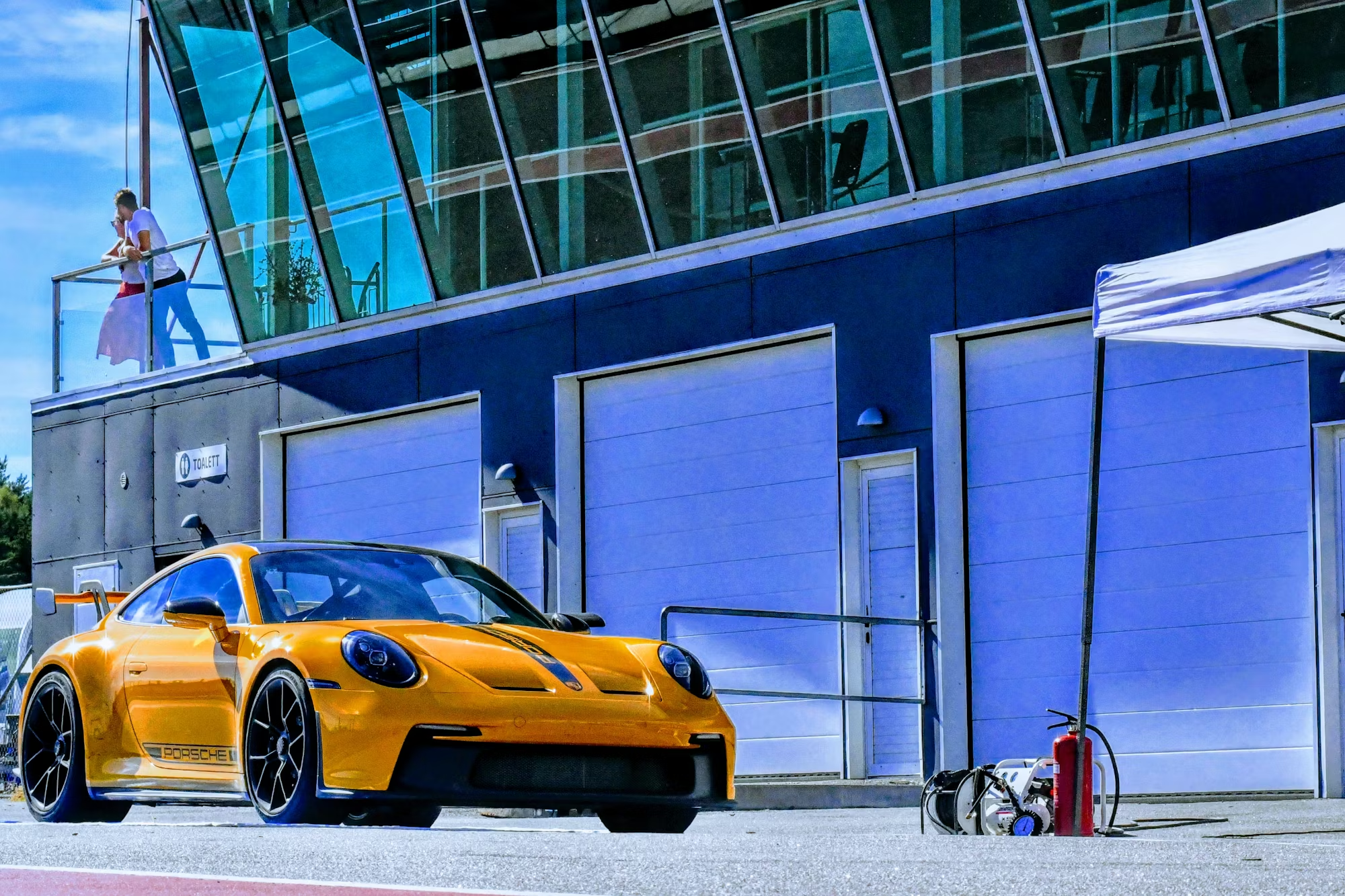
As we venture into the future of supercars, the automotive industry stands on the brink of a technological revolution. With an increasing focus on sustainability, advanced technology, and connectivity, manufacturers are poised to redefine what supercars can be. The fusion of high-performance engineering with cutting-edge innovations promises to deliver exhilarating driving experiences while addressing the pressing environmental challenges of our time. One of the most significant trends shaping the future of supercars is the shift toward electrification. Brands like Rimac and Porsche are at the forefront of this movement, developing electric vehicles that deliver mind-blowing performance. The Rimac Nevera, for instance, has shattered conventional perceptions of electric cars, achieving astonishing acceleration and top speeds. By utilizing advanced battery technology and electric drivetrains, manufacturers can create cars that are not only faster but also more efficient, minimizing their carbon footprint without compromising on performance. This shift toward electric power is complemented by the rise of hybrid technologies, which combine traditional combustion engines with electric motors. The Ferrari SF90 Stradale represents a perfect example of this blend, showcasing how manufacturers can harness the best of both worlds. With a powerful V8 engine paired with electric motors, the SF90 delivers unmatched performance while offering the potential for lower emissions. This innovative approach allows supercars to maintain their thrilling performance while adapting to the modern emphasis on sustainability. Another key aspect of future supercars is the incorporation of advanced materials and manufacturing techniques. Lightweight materials such as carbon fiber and aluminum are increasingly being utilized to enhance performance and efficiency. The McLaren 720S exemplifies this trend, with its carbon fiber monocoque structure that not only reduces weight but also enhances rigidity. As manufacturers continue to explore new materials and production methods, we can expect to see even lighter and more robust vehicles that push the boundaries of performance. Furthermore, the use of 3D printing technology is set to revolutionize the way supercars are designed and manufactured. By enabling rapid prototyping and the creation of complex components, 3D printing allows manufacturers to innovate more quickly and cost-effectively. This could lead to bespoke supercars that are tailored to individual customer preferences, offering a level of personalization previously unseen in the automotive world. The future of supercars will also be heavily influenced by advancements in connectivity and automation. As vehicles become increasingly integrated with digital technologies, the driving experience will evolve dramatically. Features such as advanced driver-assistance systems (ADAS) will enhance safety and provide drivers with greater control, even at high speeds. Additionally, the integration of artificial intelligence (AI) will enable supercars to learn from their drivers, adapting performance settings to suit individual driving styles. This level of personalization will create a unique connection between the driver and the vehicle, enhancing the overall driving experience. Moreover, as the automotive landscape shifts towards autonomous driving, supercars will inevitably explore this technology. While the idea of a self-driving supercar may seem counterintuitive, manufacturers are investigating how automation can coexist with high-performance driving. For instance, certain driving modes could allow for autonomous control during less demanding situations, while still offering the thrill of manual driving when desired. This blend of autonomy and traditional driving will appeal to a broader audience, attracting new enthusiasts to the world of supercars. The design language of future supercars will also reflect a shift towards sustainability and innovation. While traditional aesthetics have focused on aggressive lines and powerful silhouettes, upcoming models may adopt a more streamlined and aerodynamic approach. This could lead to visually stunning vehicles that prioritize efficiency alongside performance. Additionally, the emphasis on eco-friendly materials and sustainable practices in manufacturing will shape the visual identity of these cars, creating a new standard for luxury and sophistication in the supercar segment. Brands like Lamborghini and Bugatti are already beginning to explore these concepts, integrating sustainable materials and design elements into their latest models. For example, Lamborghini’s efforts to incorporate recyclable materials in their interiors signal a commitment to sustainability without sacrificing luxury. Bugatti is also exploring ways to improve efficiency in its hypercars, ensuring that the opulence of their vehicles aligns with modern environmental standards. In parallel, the concept of the supercar as a lifestyle product is gaining traction. Manufacturers are recognizing that today’s consumers are not just seeking a high-performance vehicle; they want a comprehensive experience that encompasses luxury, technology, and connectivity. This has led to the rise of the supercar ecosystem, where vehicles are designed to integrate seamlessly with smart home technologies and mobile devices. For instance, advanced infotainment systems will allow drivers to connect their supercars to their digital lives, providing real-time information, entertainment options, and personalized driving experiences. As the automotive industry evolves, the importance of community and connection among supercar enthusiasts will remain strong. Brands are increasingly investing in experiences that bring fans together, from track days to exclusive events. This sense of community fosters loyalty and passion, ensuring that the supercar culture thrives as new technologies emerge. The emotional connection between drivers and their vehicles will continue to drive innovation, pushing manufacturers to create cars that inspire awe and excitement. The role of sustainability in the future of supercars cannot be overstated. As environmental concerns become increasingly prominent, manufacturers are under pressure to adopt eco-friendly practices without compromising performance. This commitment to sustainability will drive innovation in areas such as renewable energy, resource efficiency, and waste reduction, leading to a more responsible approach to supercar production. As we look ahead, the future of supercars is poised for exciting developments. The integration of electric and hybrid technologies, coupled with advancements in materials and connectivity, will redefine what it means to drive a high-performance vehicle. Manufacturers are committed to pushing the boundaries of engineering and design, creating supercars that captivate the imagination while embracing sustainability. Ultimately, the evolution of supercars will reflect a harmonious balance between performance, innovation, and environmental responsibility, ensuring that these extraordinary vehicles continue to inspire and excite for generations to come.
Future Innovations in the Supercar World: A Glimpse Ahead